
Men’s Winter Hair Frizz Solutions: Achieve Smooth, Sleek Styles
Men’s Winter Hair Frizz Solutions: Achieve Smooth, Sleek Styles
Winter’s dry air strips your hair’s natural oils, leaving you with stubborn frizz. Wash twice weekly with sulfate-free shampoo and lukewarm water. Use a wide-tooth comb on wet hair only. Pat dry with towels instead of rubbing. Apply lightweight products with argan oil or jojoba. Get a satin-lined beanie to reduce friction. Add a humidifier to your room. These basics work, but the real game-changers involve timing and technique.
Main Points
- Wash hair twice weekly with sulfate-free shampoo and lukewarm water to preserve natural oils and prevent winter dryness.
- Use wide-tooth combs on wet hair, starting from ends, and pat dry with towels to minimize frizz and breakage.
- Apply lightweight products with argan oil or hydrolyzed proteins to create moisture barriers without weighing hair down.
- Wear satin-lined hats and silk scarves to protect hair from wind and friction while maintaining sleek styles.
- Install a humidifier and perform weekly deep conditioning treatments to combat dry indoor air and restore moisture.
Understanding the Root Causes of Winter Hair Frizz
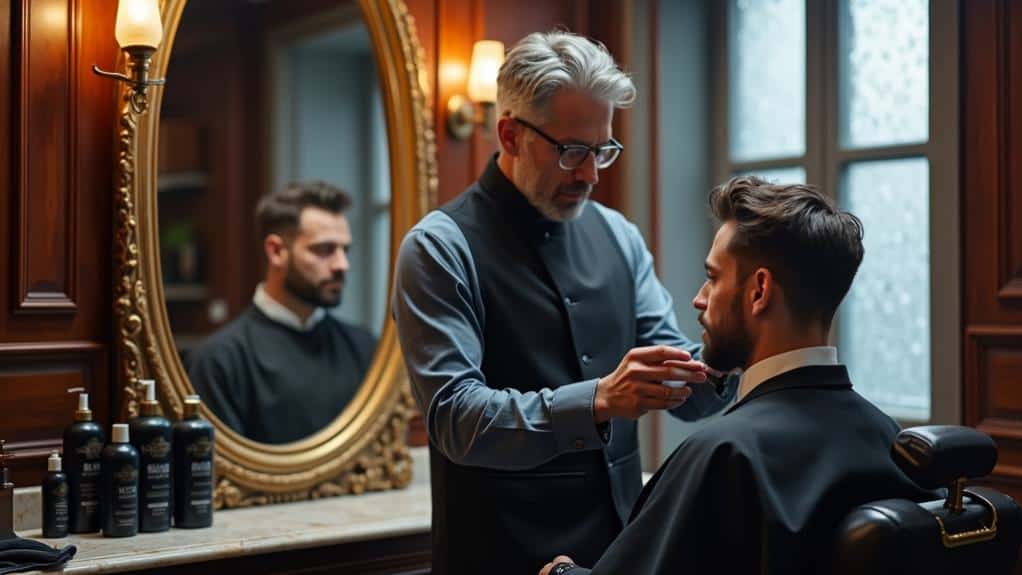
When winter hits, your hair rebels. Cold air strips natural oils from your scalp. Indoor heating sucks moisture from everything. Including your hair.
Your cuticles lift when exposed to wind. Temperature changes shock your strands. Hot showers make things worse. They remove protective sebum faster.
Tight beanies create friction and static. Heat styling tools damage already-dry hair. Chemical treatments compromise cuticle integrity further.
Porous hair absorbs environmental moisture irregularly. This causes swelling and frizz. Curly hair types suffer most. Their structure traps less natural oil. Essential nutrients like biotin and keratin support your hair’s structural integrity during harsh winter months, making hair vitamins a valuable addition to your winter care routine.
Harsh shampoos accelerate moisture loss. Skipping conditioner invites disaster. Over-washing removes essential barriers. Sulfate-free formulations provide milder cleansing agents that reduce irritation and help maintain natural moisture during harsh winter conditions. Low humidity conditions during winter months significantly contribute to hair dryness and frizz formation. Winter air also triggers increased sebum production as your scalp overcompensates for dryness. Chlorinated water from indoor pools can further dry out your hair during winter activities.
Understanding these causes helps you choose better frizz prevention techniques. Your winter hair maintenance starts with identifying what’s actually damaging your strands. Fix the root problems first.
Building Essential Daily Haircare Routines
After understanding what damages your hair, you need a routine that actually works. Your daily habits determine your hair health more than expensive products.
Wash twice weekly with sulfate-free shampoo. Hot water strips natural oils. Use lukewarm instead. Massage your scalp thoroughly. Rinse completely.
Lukewarm water preserves your hair’s natural oils while sulfate-free shampoo cleanses without stripping essential moisture from your scalp.
Condition every wash. Focus on mid-lengths and ends. Skip the roots. Apply leave-in conditioner on damp hair. It blocks environmental stress.
Detangle with a wide-tooth comb. Start from the ends. Work upward slowly. Never yank wet hair.
Air-dry when possible. Heat tools damage cuticles. If you must blow-dry, use heat protection spray. Never leave the house with wet hair as it’s fragile and prone to freezing and breaking in cold temperatures. Consider your hair type when selecting the right products, as oily, dry, and normal hair each require different formulations.
Sleep on silk pillowcases. Cotton creates friction and static. Use dry shampoo between washes to freshen up without stripping natural oils. Look for shampoos enriched with Vitamin B5 which effectively nourishes and promotes overall hair health. Finish your routine with a cold water rinse to seal the hair cuticles for maximum smoothness. Drink water consistently. Dehydrated scalp produces frizzy hair.
That’s it. Simple works.
Selecting the Right Products and Ingredients for Frizz Control

Your hair product’s ingredient list matters more than its marketing claims. Heavy creams work great for thick hair but turn fine hair into a greasy mess. Light sprays smooth without the weight, while rich formulas actually hydrate coarse strands. Products with natural oils create a protective barrier that seals in moisture and prevents winter static from forming. Look for formulas that include protein ingredients like those found in strengthening shampoos, which help repair damage while reducing frizz formation. When drying your hair, use a diffuser attachment with your blow dryer to minimize disruption to your hair’s natural texture and reduce frizz formation. For weekly intensive treatment, apply hair masks generously to wet hair after shampooing and leave on for 3-7 minutes depending on your hair’s specific needs. Oils enriched with vitamin E promote healthy hair growth while providing essential nourishment to combat winter dryness and frizz.
Essential Frizz-Fighting Ingredients
Five ingredients separate frizz-fighting products from marketing gimmicks. Look for hydrolyzed proteins first. They strengthen hair strands. Reduce breakage immediately. Essential oil blends work next. Argan oil delivers vitamin E protection. Jojoba smooths from scalp down. Coconut oil prevents protein loss entirely.
Amino acids rebuild damaged structure overnight. Your hair becomes sleeker gradually. Frizz reducing botanicals matter too. Chamomile soothes irritated scalps effectively. Rosemary extract revitalizes dull strands quickly. Aloe vera calms winter dryness naturally. Shea Butter provides additional hydration while smoothing hair cuticles for enhanced frizz control.
Bentonite clay seals cuticles shut. Prevents moisture escape completely. Organic beeswax creates protective barriers. Guards against static electricity formation. Apple cider vinegar removes stubborn product buildup that contributes to frizz. Heat-protectant products shield hair from styling damage that worsens frizz. Weekly treatments with nourishing hair masks provide deep conditioning to combat winter’s harsh effects on hair texture.
Skip products without these five. You’re buying expensive water otherwise. Winter demands serious ingredients. Not clever packaging designs.
Lightweight Vs Heavy Formulas
Two formula weights determine your winter frizz success. Lightweight products work better for most men. They won’t flatten your hair. Heavy formulas often backfire completely.
Lightweight benefits include natural movement and bounce. No greasy residue either. Heavy products create the opposite effect. They weigh down fine hair instantly.
Heavy drawbacks become obvious fast. Your hair looks limp and oily. Winter air makes this worse. You’ll need clarifying shampoo weekly. Heavy products can block moisture from penetrating your hair shaft properly.
Here’s your formula selection guide:
- Fine hair: Always choose lightweight serums and sprays
- Thick hair: Heavy creams work if used sparingly
- Wavy hair: Stick with water-based lightweight options
- Curly hair: Test both weights to find your sweet spot
Most men overestimate their hair thickness. Start lightweight first. You can always add more product later. Quality hair oils provide the perfect balance of nourishment without weighing down your strands. Lightweight formulations prevent greasy or heavy hair feel while maintaining styling effectiveness. Heavy molecules create a dense coating that prevents your hair from absorbing essential moisture during harsh winter months.
Mastering Proper Combing and Drying Techniques
Winter turns your hair into a static nightmare. Your combing techniques matter more than expensive products. Use wide-tooth combs on wet hair. They prevent breakage. Fine-tooth combs create sharp parts after drying. Start at the ends. Work toward roots gradually.
Pat hair dry with towels. Don’t rub aggressively. This creates frizz instantly. Your drying methods need adjustment too. Use low to medium heat settings. High heat strips moisture completely. Blow dry with hair growth direction. This flattens cuticles naturally. Quality men’s conditioner helps restore essential moisture and strengthens damaged hair strands.
Clean your tools regularly. Product buildup kills performance. Ionic dryers reduce static considerably. Worth the investment. Add a humidifier indoors. Dry air creates more problems. Wear silk-lined hats outside. They prevent friction damage. Consider using texturizing spray designed to enhance natural texture and provide volume lift without residue. Layered cuts can help build volume while maintaining structure during winter months. Natural bristle brushes distribute oils evenly for added shine and reduced frizz. Apply cold air to set your hairstyle after styling with heat. These basics work better than miracle serums.
Implementing Weekly Deep Conditioning and Home Remedies

Once your combing technique improves, deep conditioning becomes essential. Winter air strips moisture from your hair. Indoor heating makes things worse. Weekly deep treatments restore what cold weather steals.
Winter’s harsh air and indoor heating create a perfect storm for dry, damaged hair that demands weekly deep conditioning rescue.
Apply conditioner to damp hair after washing. Focus on mid-lengths and ends. These areas need help most. Leave treatment on for 15-20 minutes. Rinse with lukewarm water.
Home remedies work surprisingly well:
- Coconut oil mask – Leave on 20-30 minutes before washing
- Olive oil pre-shampoo – Prevents breakage and adds suppleness
- Avocado mixture – Mash with drops of natural oil for softness
- Aloe vera gel – Hydrates scalp and locks in moisture
Look for products with argan oil and shea butter. Weekly treatments containing vitamin E boost hydration and overall hair health. Skip complicated routines. One weekly session beats daily neglect. Regular treatments help strengthen hair and reduce the brittleness that leads to unwanted frizz. Keep your shower temperature in the warm range rather than hot to prevent cooking moisture out of your scalp during treatment rinses.
For those dealing with both frizz and scalp issues, incorporating tea tree oil treatments can combat dryness while providing the moisture your hair needs during harsh winter months. Just like facial care, patch testing your hair treatments before full application helps avoid potential irritation or allergic reactions.
Quick Styling Fixes for Immediate Frizz Management
Deep conditioning helps long-term. But you need emergency fixes right now. Your hair’s acting up. Time for styling hacks.
Grab lightweight anti-frizz serum. Few drops work instantly. Silicone-based products seal hair cuticles. They block humidity and static. Argan oil hydrates without weight. Coconut oil works post-wash. Don’t overdo it.
| Product Type | Application Method |
|---|---|
| Anti-frizz serum | Few drops, smooth through |
| Hand cream | Tiny amount on palms, pat flyaways |
| Dry shampoo | Spray roots, absorb oil |
| Sea salt spray | Mist for texture, volume |
| Humidity-resistant mist | Spray for all-day control |
Hand cream works surprisingly well. Pat it over flyaways gently. Dry shampoo tames root puffiness fast. Sea salt spray adds instant texture. Keep travel-sized bottles handy. Emergency fixes shouldn’t be complicated.
Look for products with glycerin and natural oils that provide moisture without stripping your hair’s protective barrier.
Fractionated coconut oil absorbs quickly without leaving greasy residue, making it perfect for emergency frizz control.
Always finish styling with a cool rinse to seal the hair cuticle and lock in moisture.
Winter Accessories That Protect Your Hair
While quick fixes help temporarily, accessories prevent problems completely. Winter hats with satin linings stop friction before it starts. Your hair stays smooth underneath protective accessories.
Cotton and wool materials create static. They suck moisture from your strands. Satin-lined options do the opposite. They lock in natural oils while blocking wind.
- Satin-lined winter hats – Zero friction means zero frizz formation
- Silk scarves – Wrap hair loosely for wind protection without damage
- Elastic headbands – Hold styles in place without pulling strands
- Cellulose acetate clips – Secure hair gently under hats and headbands
Headbands work great for shorter styles. Scarves handle longer hair better. Both beat bare heads in freezing weather.
Smart accessories encourage protective styles too. Buns and braids reduce exposure. Less touching means less breakage. Simple math. Complete body grooming routines complement protective styling by maintaining overall appearance standards during harsh winter months.
Just like your hair needs protection from winter elements, your skin requires gentle exfoliation with a men’s body scrub to remove dead cells and maintain healthy circulation during cold weather.
Long-Term Strategies for Maintaining Smooth Hair All Season
Because quick fixes only last hours, you need permanent solutions. Real hydration tips start with your routine. Use moisturizing shampoo and conditioner daily. Apply argan or jojoba oil weekly. Skip the hot showers. They strip natural oils faster than winter wind. Lukewarm water protects your cuticles instead.
Seasonal adjustments matter more than expensive products. Wash less frequently during cold months. Your scalp needs those natural oils. Get regular trims every six weeks. Split ends travel upward like bad news. Choose sulfate-free products over marketing hype. Just like with skincare, seasonal changes may require adjustments in your hair care routine thickness and frequency.
Install a humidifier in your bedroom. Dry air creates frizzy mornings. Eat foods with omega-3s. Your hair grows from the inside out. A diet rich in omega-3s and antioxidants can also reduce inflammation that affects both skin and hair health. These changes take weeks to show results. But they actually work.
Frequently Asked Questions
Does Diet Affect Winter Hair Frizz and What Foods Help Reduce It?
Yes, your diet greatly affects winter hair frizz. Focus on hair hydration through adequate water intake and consume frizz fighting foods like protein-rich eggs, omega-3 salmon, vitamin D sources, and healthy fats from avocados.
Can Hard Water Make Winter Frizz Worse and Should I Use Filters?
Hard water’s like pouring concrete on your hair—it absolutely worsens winter frizz. You should definitely use filters since reducing water hardness prevents mineral buildup, making frizz prevention much more effective during harsh winter months.
How Does Sleeping Position or Pillowcase Material Impact Morning Hair Frizz?
Your sleeping position and pillowcase materials greatly impact morning frizz. Cotton pillowcases create friction and absorb moisture, worsening frizz. Switch to silk pillowcases and sleep with hair in a loose “pineapple” style to minimize friction.
Are There Specific Vitamins or Supplements That Help Combat Winter Frizz?
Picture your hair transforming from brittle winter straw to silk. Yes, you’ll find vitamin benefits through biotin, vitamin E, and collagen supplements. Supplement sources like omega-3s and vitamin C dramatically improve moisture retention and frizz resistance.
Does Exercise and Sweating During Winter Workouts Increase Hair Frizz Problems?
Yes, winter workouts worsen frizz due to sweat impact on your hair cuticles. The salt dehydrates strands while gym humidity levels create moisture imbalance. You’re experiencing cuticle disruption from temperature changes between cold outdoors and heated workout spaces.
References
- https://www.mankindbarbersnyc.com/blog/hair-care-and-styling-tips/the-2024-guide-to-healthy-frizz-free-hair-for-men
- https://vagazine.com/how-to-fix-frizzy-hair-for-men-tame-your-mane/
- https://kolleqtive.com/winter-hair-care-tips-for-men/
- https://itsa10haircare.com/blogs/blog/winter-haircare-tips
- https://www.redken.com/blog/what-causes-hair-static-and-7-ways-to-fight-it.html
- https://www.healthline.com/health/mens-health/frizzy-hair-men
- https://www.mensxp.com/grooming/hairstyle/98524-winter-hair-problems-and-how-to-fix-them.html
- https://theearthcollective.in/blogs/blog/a-men-s-guide-to-a-perfect-winter-hair-care-routine
- https://www.esteticamagazine.com/2024/12/06/winter-hair-woes-for-men-and-how-to-fix-them/
- https://www.saltgrooming.com/blogs/blog/how-to-stop-frizzy-hair-for-men