
Men’s Sensitive Skin Solutions: Overcoming Winter Razor Burn
Men’s Sensitive Skin Solutions: Overcoming Winter Razor Burn
To combat winter razor burn, you'll need a vital approach focusing on preparation and technique. Start by softening your facial hair with lukewarm water and applying a non-comedogenic pre-shave oil. Use a sharp razor and shave with the grain, maintaining a 30-degree angle while applying gentle pressure. Limit yourself to two passes maximum, and always use a quality shaving cream formulated for sensitive skin. After shaving, apply an alcohol-free aftershave containing witch hazel or aloe vera to soothe inflammation. Regular blade replacement every 5-7 shaves and proper moisturization are essential for long-term prevention. These foundational steps lead to more extensive strategies for year-round skin protection.
Understanding Winter Razor Burn

Discomfort and irritation from razor burn can intensify during winter months when skin becomes more sensitive and prone to dryness. You'll notice symptoms within hours after shaving, including redness, stinging sensations, and flaking that may persist for several days, particularly when your winter skin is already compromised. Using an old razor can significantly increase your risk of developing razor burn and skin irritation. Practicing proper pre-shave preparation by thoroughly cleansing and hydrating your beard will help minimize irritation during cold weather. Shaving against growth of facial hair dramatically increases razor burn risk and should be avoided. Fragrance-free cleansers are essential for preventing additional irritation during winter shaving routines.
To identify true razor burn during the cold season, you'll need to distinguish it from other conditions that can mimic its appearance. Unlike razor bumps, which present as small, pimple-like protrusions, razor burn appears as a red, irritated patch or streaky rash across your shaving areas. Aloe vera products can provide immediate soothing relief for irritated winter skin. Modern electric razors featuring SenseIQ technology can help minimize irritation by personalizing the shaving experience to your skin's needs. If you're experiencing increased shaving sensitivity during winter, focus on areas where you regularly shave, such as your face and neck, as these regions are most susceptible to irritation.
Understanding the temporary nature of razor burn can help ease your concerns, as it typically resolves on its own within a few days. However, if you're dealing with persistent symptoms or unusual manifestations like fluid-filled blisters accompanied by fever, you should seek medical attention, as these signs could indicate a different condition requiring specific treatment.
Common Causes and Risk Factors

During the winter months, several key factors converge to increase your risk of razor burn. Cold weather makes your skin more brittle and sensitive, while indoor heating systems can strip away essential moisture, creating perfect conditions for irritation when you shave. Those with sensitive skin types tend to be particularly vulnerable to winter razor burn. Using an alum block after shaving can help reduce irritation and prevent infection. Gentle shaving techniques with minimal pressure are essential to prevent skin damage and inflammation.
Common shaving mistakes greatly contribute to razor burn during winter. If you're dry shaving, using a dull blade, or rushing through your routine, you're likely to experience irritation. Applying salicylic acid products can help reduce post-shave inflammation and prevent breakouts. Shaving against the grain, particularly on sensitive areas like your neck and face, can lead to inflammation and ingrown hairs. Your skin hydration plays an important role, as dehydrated skin is more susceptible to razor burn, especially in harsh winter conditions. A diet rich in omega-3 fatty acids can help reduce inflammation associated with razor burn. Using a facial lotion with SPF can provide additional protection against environmental damage while soothing razor burn.
The location of your shave matters greatly. Your neck is particularly vulnerable due to the awkward angle of hair growth, while facial skin tends to be more sensitive to winter's effects. If you're experiencing persistent razor burn in specific areas, you'll need to adjust your technique accordingly. Pay special attention to areas where hair growth patterns vary, and always make sure you're using appropriate products that won't further irritate your skin during the cold season.
Essential Prevention Methods

Preventing razor burn starts with a thorough approach to your shaving routine. For those with sensitive skin, winter grooming requires extra attention to pre-shave preparation and proper technique to minimize irritation. Begin by exfoliating your skin to remove dead cells, then apply a pre-shave oil that'll create an important protective barrier between your razor and skin. Alcohol-free lubricants are essential for preventing inflammation and irritation while shaving. Selecting a premium shaving cream specifically formulated for sensitive skin will provide superior protection during your shaving routine.
Your shaving technique plays a vital role in prevention. The average person makes 170 razor strokes per shave, so minimizing unnecessary re-strokes is essential. Always use a sharp blade, and don't forget to replace it regularly to guarantee clean, precise cuts. Consider applying a non-comedogenic moisturizer before shaving to prevent clogged pores and breakouts. Using a cream with Triple Cushion Technology can significantly enhance razor glide and skin hydration. Shaving at the end of your shower when hair is thoroughly softened will significantly reduce irritation. When you're ready to shave, apply a generous amount of shaving cream, then use light, short strokes in the direction of hair growth while rinsing your razor frequently. During winter months, it's especially important to maintain proper blade maintenance and storage in a dry place to prevent bacterial growth.
After shaving, immediately apply a soothing aftershave followed by a cold compress to close your pores. If you're particularly prone to irritation, consider using an electric razor or reducing your shaving frequency. You can also train your hair to grow in one direction by consistently following the same shaving pattern, which'll reduce the likelihood of ingrown hairs.
Best Shaving Techniques

Building on proper prevention methods, mastering the right shaving techniques will take your grooming routine to the next level. A gentle face cleanser helps remove oils and debris before starting. Before you begin, verify your skin prep includes thorough hydration with lukewarm water and gentle exfoliation to remove dead skin cells. Venus Satin Care Sensitive gel provides excellent moisture and protection. Apply a non-comedogenic pre-shave oil, followed by a fragrance-free shaving cream using a quality brush for even distribution. Hot towel application can help soften facial hair for a smoother shave. Tea tree oil ingredients in pre-shave products can provide additional anti-inflammatory benefits for sensitive skin. For superior lubrication and protection, consider using Cremo Original Cream which creates an ultra-slick barrier against razor burn.
When it's time to use your shaving tools, always work with the grain of your hair growth, using light, controlled strokes to minimize irritation. You'll want to rinse your blade after each pass to prevent clogging and maintain peak cutting performance. If you're using a safety razor, maintain a consistent 30-degree angle against your skin, and don't apply excessive pressure. Using a safety razor technique can provide better control and reduce irritation compared to cartridge razors. Limit yourself to two passes maximum to prevent irritation, and verify your blade is sharp – replace it every 5-7 shaves or sooner if you notice any tugging. Once you've finished, rinse with lukewarm water and immediately apply a soothing, alcohol-free moisturizer to lock in hydration and protect your freshly shaved skin.
Natural Healing Solutions

When your skin needs relief from razor burn or irritation, natural healing solutions offer effective and gentle alternatives to harsh chemical treatments. Among the most reliable herbal remedies, aloe vera gel and witch hazel extract stand out for their soothing properties, while calendula cream provides both inflammation reduction and wound healing benefits. Regular exfoliation before shaving helps prevent irritation and ingrown hairs. It's essential to moisturize immediately after shaving to maintain skin health and prevent irritation. Using lukewarm water helps open pores and enhances the effectiveness of natural treatments.
You'll find excellent skin hydration through natural ingredients like coconut oil and avocado oil, which penetrate deeply to moisturize irritated skin. Combining coconut oil with brown sugar scrub creates an effective exfoliant while maintaining moisture. For a thorough healing approach, try creating a soothing bath with colloidal oatmeal or Epsom salts, which can calm inflammation while softening your skin. If you're dealing with particularly sensitive areas, you can apply cooled black tea bags or a gentle mixture of tea tree oil and water directly to affected spots. A gentle cleanser is essential for maintaining healthy skin and preventing future irritation. Keeping your facial hair clean with beard-specific products can significantly reduce skin irritation and razor burn.
For immediate relief, combine natural treatments with practical applications like cold compresses. You can also prepare a healing paste using oatmeal and yogurt, which helps restore your skin's protective barrier. When using these remedies, avoid products containing alcohol, and consider alternating between different solutions to find what works best for your skin type.
Recommended Skincare Products
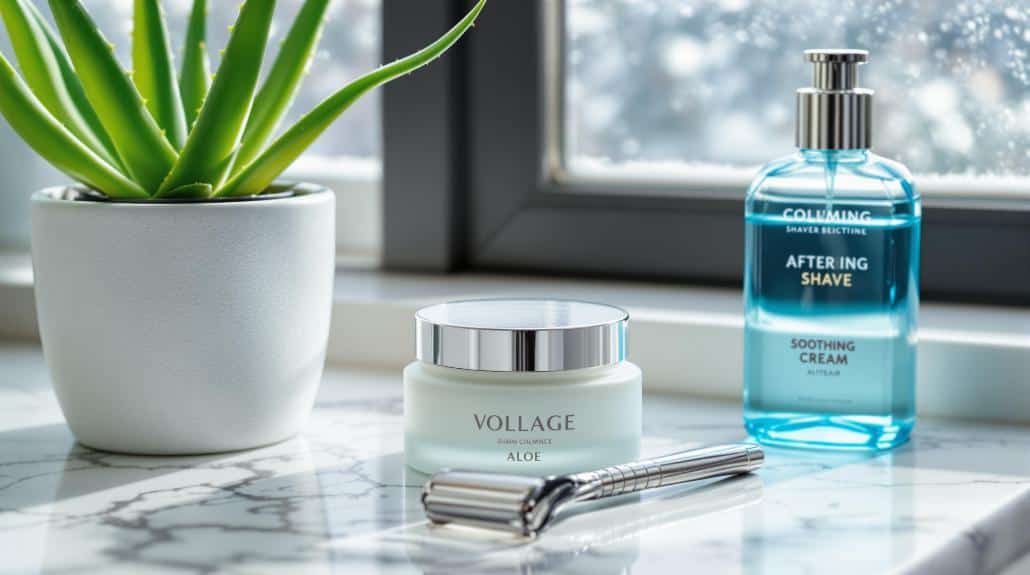
While natural healing solutions provide relief, choosing the right skincare products forms the foundation of an effective sensitive skin routine. You'll want to start with pre-shave oils that contain soothing ingredients like aloe vera or shea butter, ensuring they're non-comedogenic to prevent clogged pores. Apply just a small amount to create a protective barrier without leaving your skin feeling greasy.
Follow up with gentle cleansers that are specifically formulated for sensitive skin, avoiding any products with harsh chemicals or exfoliating agents. Use lukewarm water to open your pores while cleansing, which helps prepare your skin for a smoother shave. Green tea extracts can provide additional antioxidant protection and help revitalize sensitive skin. The Brickell Revitalizing Cream specifically designed for sensitive skin delivers visible improvements in just one week. Practicing light, gentle strokes will minimize skin irritation during the shaving process. After cleansing, apply a lightweight moisturizer rich in botanical actives to promote skin regeneration. Products like the Prada Lab Volcanic Ash Cleanser offer gentle yet effective cleansing without irritating sensitive skin.
Post-shave care is equally important for maintaining healthy skin. Select after-shave products that are fragrance-free and contain calming ingredients like aloe vera. You'll want to avoid any products containing alcohol, as these can cause irritation. Instead, opt for hydrating emulsions or lotions that provide lasting protection while soothing your skin. Look for products containing witch hazel extract for its natural anti-inflammatory properties. The highly-rated after-shave options available today effectively reduce post-shave redness and discomfort. Remember to apply cool compresses if you experience any irritation after shaving.
Emergency Relief Steps
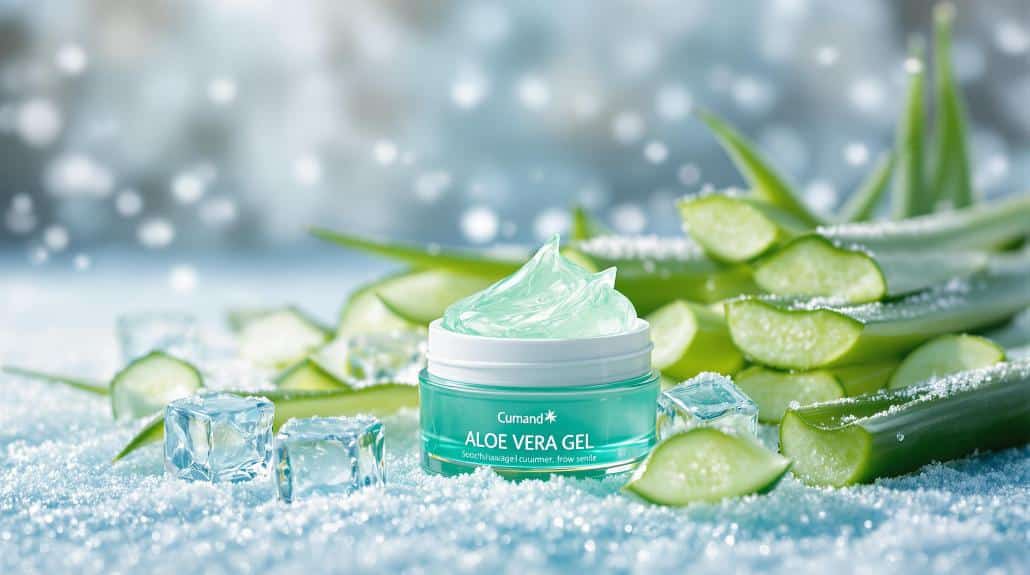
Experiencing sudden skin irritation requires swift action to prevent further discomfort. When razor burn strikes, start by applying cooling compresses in the form of a clean, cool washcloth to the affected area for 5-10 minutes, which will help reduce inflammation and provide immediate relief. Using 100% cotton apparel can help prevent further irritation while your skin heals. Consider using a ceramide-rich moisturizer to help repair and strengthen your skin's natural barrier while it recovers. SPF protection products are essential even during winter months to prevent further skin sensitivity.
Next, apply soothing balms containing natural ingredients that calm your irritated skin. You'll find specific relief from products containing aloe vera, tea tree oil, or hydrocortisone, which work together to reduce redness and inflammation. Using talc-free formulas can provide additional comfort while minimizing potential respiratory risks and skin irritation.
| Treatment | Application Time | Expected Relief |
|---|---|---|
| Cool Compress | 5-10 minutes | Immediate |
| Aloe Vera | Every 2-3 hours | Within 1 hour |
| Hydrocortisone | Twice daily | 12-24 hours |
For lasting relief, moisturize with fragrance-free products that won't further irritate your skin. Natural oils like coconut or jojoba can provide additional healing benefits. If you're experiencing persistent irritation, avoid tight clothing and consider taking a break from shaving until your skin fully recovers. Remember to keep the affected area clean and dry, applying treatments with clean hands to prevent bacterial infection.
Long Term Care Strategies

Establishing a consistent long-term skincare routine forms the foundation for managing sensitive skin effectively. You'll need to commit to using gentle, non-irritating products that are free from common irritants like parabens, fragrances, sulfates, and gluten, while maintaining proper skincare consistency in your daily regimen. Regular consultation with Epionce skin professionals can provide personalized guidance for your specific needs. Environmental factors like harsh weather conditions and temperature changes can significantly impact sensitive skin. Quality products enriched with French skincare ingredients deliver superior results through their focused, minimalist approach.
To achieve long term hydration, apply a lightweight moisturizer containing Hyaluronic Acid both morning and night, ensuring you're giving your skin the nourishment it needs throughout the day. Hyaluronic acid serums can boost your skin's moisture retention and prevent dryness during winter months. When cleansing, limit face washing to twice daily and after sports activities, as over-washing can compromise your skin's natural barrier. Select a non-drying cleanser with soothing ingredients like Aloe Vera and Allantoin, which will help maintain your skin's balance without causing irritation. Products containing Coenzyme Q10 can help energize skin cells while improving hydration and texture. Using products with retinol-based formulas can significantly improve cell turnover and reduce signs of aging.
Make it a priority to stay informed about skincare developments and sensitive skin management techniques, adjusting your routine as needed. Remember to moisturize after every cleansing and shaving session, and incorporate weekly exfoliation to prevent ingrown hairs and maintain clear pores. This systematic approach to skin care will help you achieve and maintain healthier, more resilient skin over time.