
Men’s Body Grooming Essentials: Combat Seasonal Dryness
Men’s Body Grooming Essentials: Combat Seasonal Dryness
You’ll need different products for different seasons. Winter demands heavy creams with ceramides and hyaluronic acid. Summer requires lighter, oil-free formulas. Use sulfate-free cleansers year-round to avoid stripping natural oils. Apply moisturizer twice daily on damp skin for better absorption. Cold air needs heavier beard oils. Hot weather calls for lighter products. Don’t forget SPF 30 daily, even indoors. Indoor humidity drops to 20% in winter, wreaking havoc on your skin barrier. The right ingredients make all the difference.
Main Points
- Use gentle, sulfate-free cleansers with ceramides and limit cleansing to once daily to prevent stripping natural oils.
- Apply heavier creams in winter and lighter lotions in summer, moisturizing twice daily on damp skin.
- Choose products with hyaluronic acid, glycerin, and ceramides for optimal hydration and barrier repair year-round.
- Maintain indoor humidity above 20% and avoid hot showers that strip protective oils from skin.
- Adjust beard care seasonally using heavier oils in winter and lighter formulas in summer months.
Understanding How Seasonal Changes Affect Men’s Skin

When seasons change, your skin fights back. Winter hits your face like a slap. Cold air strips moisture away. Indoor heating makes it worse. Your seasonal skin loses water fast. Men see wrinkle depth increase during winter months. That’s not imagination. That’s measurable damage.
Winter doesn’t just feel harsh on your skin—it actually measures deeper wrinkles and strips away critical moisture protection.
Spring brings 25% more skin flare-ups. Winter jumps to 36%. Your skin can’t keep up with rapid changes. Hot showers feel good but hurt your moisture retention. They strip protective oils away.
Summer heat cranks up oil production. Sweat clogs your pores instead. Air conditioning dries you out again. Your skin gets confused by constant temperature shifts. The warm months also trigger excess oiliness on your scalp that can affect your hairline and forehead skin. Stress can increase cortisol levels, which makes seasonal skin irritation even more pronounced. Effective pore minimizers can help manage enlarged pores that become more noticeable during humid summer months.
Indoor humidity drops below 20% in winter. Your skin barrier cracks under pressure. Frequent hand washing makes everything worse. Your skin tries to adapt but fails. Alcohol gels further strip away your skin’s natural protective barrier. High stress levels can trigger breakouts and make existing skin conditions even worse during seasonal transitions.
Choosing the Right Cleansers for Dry Weather Protection
When cold air hits, your skin gets cranky. You need cleansers that won’t strip away what little moisture you have left. Gentle hydrating formulas and plant-based options actually help instead of making things worse. Look for products with activated charcoal that provide deep pore cleansing while maintaining your skin’s essential moisture balance. Choose cleansers with ceramides included to help maintain your skin’s protective barrier during harsh weather conditions. Products featuring Micromoisture technology can provide superior hydration that prevents the tight, uncomfortable feeling after cleansing. Following your cleansing routine with a quality facial moisturizer helps lock in hydration and prevents moisture loss throughout the day. Environmental factors like humidity changes during seasonal transitions can significantly worsen skin dryness and irritation.
Gentle Hydrating Formulas
Cold air doesn’t care about your skincare routine. It strips moisture anyway. You need gentle foaming cleansers that won’t fight back.
Skip the harsh stuff. Your skin’s already under attack.
Here’s what actually works:
- Sulfate-free formulas – They clean without stripping your natural oils
- Cream-based cleansers – Gentler than foaming versions that dry you out
- Ceramide-loaded options – They rebuild your skin barrier while you wash
- Fragrance-free versions – Less irritation when your skin’s already cranky
Look for soothing balms mixed into your cleanser. Oatmeal and aloe vera work. So does shea butter.
Avoid anything that makes your skin squeak. That’s damage, not cleanliness. Your cleanser should leave skin soft. Not tight. The right face wash can transform your entire grooming routine from basic maintenance to active skin repair.
Winter’s tough enough. Don’t make it worse. Daily cleansing should be limited to once daily to prevent over-cleansing damaged skin. Choose products with moisturizing ingredients like glycerin and hyaluronic acid to add hydration while you cleanse. pH balance is necessary to avoid irritation and dryness, especially during harsh weather conditions. The right cleanser also aids absorption of your moisturizer, making your entire routine more effective.
Plant-Based Cleansing Benefits
| Harsh Cleansers | Plant-Based Options |
|---|---|
| Strip natural oils | Preserve skin barrier |
| Cause irritation | Soothe with chamomile |
| Overdry skin | Maintain moisture balance |
| Contain sulfates | Use gentle surfactants |
| Trigger reactions | Reduce sensitivity risk |
Botanical oils reinforce your skin’s barrier. No more water escaping. Sulfate-free means no aggressive detergents. Your skin stays intact.
Chamomile and aloe vera calm redness. Perfect for sensitive guys. Natural exfoliation from lime removes dead cells gently. Green tea fights environmental damage. Teatree oil heals minor irritation.
You can wash multiple times daily. No tightness afterward. No cumulative dryness building up. Consider your skin type awareness when selecting cleansers to ensure compatibility and prevent irritation. Lukewarm water opens pores effectively for deeper cleansing action. Ingredients like glycerin and coconut water infuse essential moisture directly into your skin during each cleansing session. These biodegradable ingredients reduce environmental impact while protecting aquatic ecosystems. Gel-based formulations prevent excessive residue buildup that can clog pores and create skin texture issues.
Essential Moisturizing Strategies for Year-Round Hydration
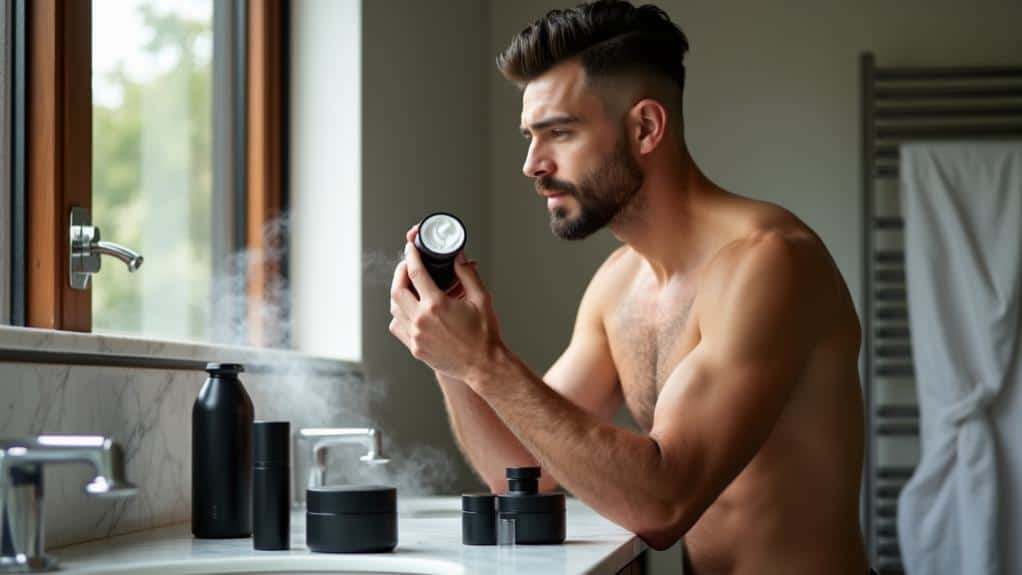
Your skin needs different care in July than January. Summer calls for lighter lotions. Winter demands heavier creams. The timing of when you apply matters as much as what you’re rubbing on your face. When selecting products, prioritize formulations that offer moisturizing properties since this ranks as the top characteristic that appeals to men in skincare products. Nearly half of men ages 18-34 now prioritize clean ingredients when making skincare purchasing decisions. Proper daily cleansing helps manage conditions like acne and eczema while supporting healthier, clearer skin. Look for lotions that provide 48-hour hydration to maintain consistent moisture levels between applications. The right men’s body lotion can transform rough, dry skin into a smooth, healthy foundation for your overall grooming routine.
Seasonal Product Transitions
When seasons shift, your skin’s needs change dramatically. That lightweight summer moisturizer won’t cut it come December. Your winter cream will clog pores in July heat.
Here’s your seasonal switching playbook:
- Winter: Rich, emollient creams with hydrating serums underneath
- Spring: Medium-weight lotions as humidity returns slowly
- Summer: Gel-based, oil-free formulas with built-in SPF
- Fall: Gradually adapt back to heavier formulations
Product layering matters more in cold months. Apply serums first, then moisturizer on damp skin. Skip seasonal scents if you’re acne-prone. They often contain pore-clogging oils.
Don’t forget targeted products. Lip balm and hand cream become essential winter gear. Your knuckles will thank you. Summer calls for after-sun gels when you inevitably forget sunscreen. Chemical exfoliation once or twice weekly helps clear clogged pores during humid months when sweat builds up. Even in winter months, UV protection remains crucial since snow can reflect sunlight and increase your exposure. Look for products with zinc oxide as it provides superior broad-spectrum protection against both UVA and UVB rays.
Your shower routine should adapt seasonally too – keep shorter showers during winter months to prevent your skin from losing essential moisture. Apply moisturizer on slightly damp skin for better absorption and enhanced hydration regardless of the season.
Key Hydrating Ingredients
Not all moisturizing ingredients work the same. Some actually deliver results.
Hyaluronic benefits include holding 1,000 times its weight in water. That’s real moisture retention. Glycerin properties attract water to your skin’s surface. Simple physics.
Ceramide function involves repairing your moisture barrier. Think of it as fixing cracks in a wall. Plant oils like argan and shea provide fatty acids your skin needs. Not fancy marketing speak. Shea butter provides intense nourishment for dry skin that needs serious hydration help.
Antioxidant effects from vitamin E and C protect against environmental damage. Green tea extract reduces inflammation. Aloe vera soothes irritation while adding hydration. Niacinamide improves skin elasticity and texture while delivering additional moisturizing benefits. Oat extract calms sensitive skin.
Skip products with fifty ingredients you can’t pronounce. Look for these proven performers instead. Your skin doesn’t need complexity. It needs consistent hydration from ingredients that actually work. Peptides support collagen synthesis and enhance skin elasticity for improved firmness. Jojoba seed oil balances skin moisture naturally without clogging pores.
Application Timing Matters
Timing isn’t everything, but it’s close when moisturizing. Your skin doesn’t care about your schedule. But it does respond to smart application frequency.
Apply twice daily. Morning and night. Non-negotiable. Your skin repairs itself overnight. Feed that process with heavier moisturizer types before bed.
Here’s when timing matters most:
- Right after showering – Damp skin absorbs better than dry skin
- Before sleeping – Thicker creams work harder overnight
- After hand washing – Especially during cold season
- Following gym sessions – Sweat strips natural oils away
Don’t overthink moisturizer types during the day. Light formulas work fine. Save rich creams for nighttime. For an extra hydration boost, consider incorporating hyaluronic acid serum into your routine before applying moisturizer. Your skin won’t thank you. But your comfort level will improve dramatically.
Beard Care Fundamentals During Cold and Warm Seasons

Since weather changes mess with your beard, you’ll need different tactics year-round. Cold air sucks moisture out. Your beard gets flaky and itchy. Use heavier oils and balms in winter. They lock in what little moisture remains. Skip hot showers. Lukewarm water won’t strip natural oils. Colder climates benefit from higher beeswax content for frizz control.
Summer brings opposite problems. Heat and humidity make lighter products essential. Heavy oils turn you greasy. Nobody wants that. Trim shorter for airflow and comfort. Your face will thank you.
Spring means pollen sticks everywhere. Including your facial hair. Wash regularly but gently. Fall shifts require hydration boosts. Your beard’s preparing for winter’s assault.
Smart beard maintenance tips match products to seasons. Seasonal styling adjustments prevent damage before it starts. Weather wins if you don’t adapt. Incorporating beard shampoo into your routine helps remove dirt and buildup while maintaining your facial hair’s natural moisture balance.
Adapting Your Grooming Routine Throughout the Year
When temperatures shift, your skin revolts. Dead cells pile up. Oil production goes haywire. Your grooming tools need seasonal backup.
Winter demands heavy artillery. Rich moisturizers fight the dry air. Your razor needs help from hydrating creams. Spring brings renewal headaches. More frequent shaving returns. Summer requires lightweight everything.
Here’s your seasonal adaptation playbook:
- Switch moisturizer weight – Heavy creams for winter, gel formulas for summer
- Adjust shaving frequency – Less in winter, more in warmer months
- Rotate seasonal fragrances – Warmer scents for cold months, fresh notes for heat
- Monitor skin reactions – Watch for irritation during changes
Your grooming tools stay the same. Products change with the weather. Skip the marketing myths. Your skin tells you what it needs. Products with broad-spectrum coverage become essential during warmer months when sun exposure increases. Listen to it.
Look for plant-based moisturizers with hyaluronic acid and ceramides to provide targeted hydration during seasonal transitions.
Power Ingredients That Fight Dryness and Restore Skin
Your skin’s dryness isn’t complicated. It needs water and something to trap it. That’s where smart hydration techniques come in.
Hyaluronic acid holds 1,000 times its weight in water. It pulls moisture from the air directly into your skin. No greasy residue.
Ceramides rebuild your skin’s natural barrier. They stop water from escaping. Think of them as microscopic security guards.
Squalane mimics your skin’s natural oils. Jojoba oil is 97% identical to your sebum. Your skin recognizes these. It cooperates.
Shea butter creates a moisture-sealing layer for hours. Essential during winter’s assault on your face.
Vitamin E fights daily damage while locking in hydration. Vitamin C keeps things bright.
Retinol promotes cell turnover and reduces fine lines while improving overall skin texture and moisture retention.
Understanding ingredient benefits beats buying random products. Your wallet and skin will thank you.
Daily Habits That Prevent Environmental Skin Damage
Environmental damage hits your skin every second you’re awake. Pollution, UV rays, and toxins don’t take breaks. Your skin shouldn’t fight alone.
Pollution protection starts with simple lifestyle adjustments:
- Double cleanse at night – Oil cleanser first, then water-based. Removes deep pollutants completely.
- Apply broad-spectrum SPF 30 daily – Even indoors. UV reflects off surfaces. Reapply every two hours outside.
- Use antioxidant serums mornings – Vitamin C and niacinamide neutralize free radicals. Apply before sunscreen.
- Strengthen your skin barrier – Moisturizers with ceramides and hyaluronic acid. Creates pollution defense.
Wash your hands and face after being outdoors. Use air purifiers at home. Take less polluted routes when possible. Your skin accumulates damage slowly. These habits stop it. Products with protective ingredients specifically formulated to combat environmental stressors can provide an additional defense layer against daily pollution exposure.
Green tea antioxidants in your skincare routine can provide additional protection against environmental damage and reduce inflammation caused by daily pollutant exposure.
Building an Effective Seasonal Skincare Arsenal
Why do most men’s skincare routines fall apart every season change? Simple. You’re using summer products in winter.
Seasonal adjustments aren’t rocket science. Swap lightweight moisturizers for heavier creams when temperatures drop. Switch back when humidity returns. That’s it.
Forget skincare myths about one-size-fits-all products. Your skin needs different fuel in different weather. Cold air strips moisture. Hot weather creates excess oil. Basic science.
Stock two moisturizers minimum. One light. One rich. Add a gentle cleanser and SPF moisturizer. Four products total.
Winter gets ceramide-based barrier creams. Summer needs oil-free hydrators with hyaluronic acid. Quality anti-aging ingredients can help maintain skin elasticity while providing seasonal moisture protection.
Don’t overthink it. Check the weather. Adjust your routine accordingly. Your skin will thank you. Your wallet won’t hate you either.
Consider upgrading to men’s anti-aging moisturizer formulations that target both seasonal dryness and age-related skin concerns simultaneously.
Frequently Asked Questions
Can Diet Changes Help Reduce Seasonal Skin Dryness in Men?
Yes, you can reduce seasonal skin dryness through diet changes. Focus on hydration foods like cucumbers and watermelon, plus omega fatty acids from fish and walnuts. You’ll also benefit from antioxidant-rich foods and adequate water intake.
How Often Should Men Replace Their Grooming Products Throughout the Year?
Replace grooming products based on their specific product lifespan: razor blades every 5-7 shaves, moisturizers within 12 months, and shampoo every 12-24 months. Make seasonal adjustments by replacing products more frequently during harsh winter conditions.
What’s the Best Room Temperature to Prevent Skin Dryness While Sleeping?
Keep your sleep environment between 68-72°F to prevent skin dryness overnight. You’ll also need humidity control—maintain 40-50% relative humidity using a bedroom humidifier, since heated air increases moisture loss from your skin.
Should Men Use Different Towels or Drying Techniques During Dry Seasons?
Yes, absolutely. Consider James, whose winter eczema cleared after switching routines. You’ll need softer towel materials like microfiber, plus gentler drying methods—pat instead of rub, leave skin slightly damp, then moisturize immediately.
Can Certain Fabrics or Clothing Materials Worsen Seasonal Skin Dryness?
Yes, synthetic fabric types like polyester and nylon trap moisture and create friction, worsening seasonal dryness. If you’ve got skin sensitivity, choose breathable natural fibers like cotton, bamboo, or merino wool instead.
References
- https://om4men.com/blogs/news/winter-dryness-hacks-every-guy-should-know-expert-grooming-tips-from-om4men
- https://uncletony.com/blogs/news/mens-grooming-tips-for-different-seasons
- https://peteandpedro.com/blogs/the-pedro-post/8-winter-grooming-hair-skincare-tips-for-men-to-stop-dry-itchy-skin
- https://www.gentlehomme.com/blogs/news/grooming-tips-for-cold-seasons
- https://becleverman.com/blog/men’s-grooming-hacks-you-need-for-this-summer
- https://www.chicagomalesalon.com/blogs/the-impact-of-seasonal-changes-on-mens-hair-and-skin-a-comprehensive-guide
- https://onlinedoctor.well.co.uk/blogs/skincare/how-seasonal-changes-affect-your-skin
- https://cambridgelaserclinic.com/how-your-skin-changes-with-the-seasons/
- https://pmc.ncbi.nlm.nih.gov/articles/PMC10264749/
- https://www.asds.net/skin-experts/skin-care/skin-care-for-every-season