
Men’s Beard Growth Kickstart: Vitamins and Tools for Winter
Men’s Beard Growth Kickstart: Vitamins and Tools for Winter
Your beard craves biotin, zinc, and iron during winter months. Take 30 mcg biotin daily from eggs. Get 8-11 mg zinc from meat or seeds. Iron from red meat delivers oxygen to follicles. Use lukewarm water when washing. Apply beard oil after showering. Follow with quality balm for cold protection. A boar bristle brush distributes oils evenly. Sleep seven hours nightly. Exercise boosts blood flow to your face. The science behind ideal growth timing reveals surprising details.
Main Points
- Essential vitamins for winter beard growth include biotin (30 mcg daily), vitamin C for collagen production, and B vitamins for cell metabolism.
- Zinc (8-11 mg daily) prevents patchy growth, while iron delivers oxygen to follicles and copper strengthens hair strands.
- Winter grooming tools include boar bristle brush, beard balm for cold protection, and moisturizing beard wash with lukewarm water.
- Apply beard oil daily after showering and use gentle shampoo twice weekly to maintain natural oils during winter.
- Eat eggs, salmon, and spinach for keratin production while getting seven hours sleep for optimal hormone balance.
Essential Vitamins That Fuel Beard Growth

While most men focus on oils and brushes, your beard’s real growth happens from within. Your follicles need specific nutrients to produce strong hair. Biotin benefits are real, not marketing hype. It builds keratin, the protein that makes hair thick. You need 30 mcg daily from eggs or nuts. Vitamin C supports collagen production. Your follicles depend on this structural protein. It also helps absorb iron, preventing hair loss. Vitamin E improves blood flow to facial follicles. Don’t overdo it though. Too much causes hair loss. B vitamins fuel cell metabolism and growth cycles. Vitamin A activates follicle stem cells but balance matters here too. Genetics significantly influence how well your follicles respond to these nutrients. However, biotin deficiency is rare and typically linked to specific enzyme issues or malabsorption problems. This vitamin synergy works better than isolated supplements. Most men see results in 2-3 months with consistent intake. Many beard growth kits now combine biotin with natural oils like jojoba and argan oil for comprehensive nourishment. Castor oil enhances hair thickness and stimulates follicles when combined with these essential vitamins. Remember that supplements simply optimize conditions for healthier growth rather than creating new follicles.
Key Minerals Your Beard Needs to Thrive
Your beard needs specific minerals to grow thick and strong. Zinc keeps your follicles healthy and prevents patchy growth. Iron pumps oxygen to your roots while copper strengthens each hair strand. These minerals also help maintain oil glands around each follicle for proper hydration. Selenium supports hair growth by working alongside other essential minerals to maintain optimal follicle function. Vitamins E and Zinc nourish hair follicles and repair overall hair health for enhanced growth results. A balanced diet with proper nutrition boosts your beard’s overall health and appearance. Natural ingredients like argan and jojoba oils work synergistically with these essential minerals to provide deep moisturization and nourishment for optimal beard growth.
Zinc for Follicle Health
Because zinc directly builds hair follicles, it’s not optional for beard growth. Your body uses zinc to make keratin. That’s the protein in your beard hairs. Without enough zinc, follicles shrink and weaken.
Zinc deficiency signs include slow growth and patchy spots. Your beard looks thin and breaks easily. Fix this with meat, seafood, and seeds. Skip fancy supplements unless you’re actually deficient.
Here’s the thing about zinc absorption tips: coffee blocks it. So does fiber. Take zinc on an empty stomach if supplementing. But most guys get enough from food.
You need 8-11mg daily. More isn’t better. Too much zinc messes with other minerals. Your immune system suffers too. Zinc also enhances blood circulation in the scalp, delivering nutrients directly to beard follicles for stronger growth. Zinc also has anti-inflammatory properties that reduce scalp irritation and create better conditions for healthy growth. Zinc helps maintain the oil glands around your follicles, keeping your beard moisturized and protected from damage. When your skin and follicles stay properly hydrated, you’ll notice fewer issues like itchiness and dandruff that can interfere with healthy beard development. Beard oil complements zinc’s benefits by adding external moisture and nourishment to both your hair and the underlying skin. Keep it simple. Eat real food first.
Iron and Circulation Benefits
Iron doesn’t just build muscle. It delivers oxygen straight to your beard follicles. Without enough iron, your facial hair thins out. Gets weak. Grows slower than a government refund.
Your beard needs hemoglobin to transport oxygen. Iron builds hemoglobin. Simple math. Poor circulation starves your follicles. They can’t get the nutrients they need.
Iron aids red blood cell production, which is essential for delivering oxygen and nutrients directly to your hair follicles.
Here’s what actually works:
- Red meat and spinach – Skip iron supplements unless you’re deficient
- Daily exercise – Gets blood flowing to your face naturally
- Stay hydrated – Dehydration kills circulation faster than anything
Iron supplements won’t fix lazy habits. But circulation boosters like niacin might help. Get your iron levels tested first. Most guys aren’t actually deficient. They just have terrible circulation from sitting all day.
A quality beard growth kit provides the complete foundation of nutrients and tools needed for optimal facial hair development. Your beard follows a specific growth cycle with active growth, transition, and resting phases that require consistent nutrient delivery.
Premium beard growth formulas combine iron with 18 essential nutrients to address multiple deficiencies that slow facial hair development. Products with natural ingredients like biotin and essential oils work synergistically with iron to maximize nutrient absorption and promote healthier follicle function.
Copper’s Strengthening Properties
Copper builds stronger beard hair than most guys realize. This mineral does three critical jobs for your facial hair. First, it boosts collagen production. More collagen means stronger hair shafts. Less breakage too. Second, copper improves blood flow to your follicles. Better circulation delivers nutrients where they’re needed. Third, it helps produce melanin. That keeps your beard color consistent.
| Copper Benefits | Timeline | Result |
|---|---|---|
| Hair strengthening | 2-3 months | Reduced breakage |
| Better circulation | 4-6 weeks | Healthier follicles |
| Color maintenance | Ongoing | Less premature graying |
You’ll find copper in beard oils and topical treatments. It works similarly to minoxidil through skin remodeling. Clinical studies show 27% increased hair density after six months. That’s real copper benefits for hair strengthening. When using copper-enriched treatments alongside microneedling techniques, you can further enhance nutrient absorption and follicle stimulation for maximum growth potential. Copper also promotes angiogenesis development, creating new blood vessels that further enhance nutrient delivery to your beard follicles. The antioxidant properties of copper peptides help reduce inflammation around follicles while protecting the skin beneath your beard. Copper peptides can reactivate dormant follicles that stress and genetics have affected, giving you access to fuller growth potential you didn’t know existed. Regular use of beard shampoo specifically formulated for facial hair helps maintain optimal copper absorption while keeping follicles clean and healthy.
Powerful Herbal and Nutrient Additives for Enhanced Growth
Growth boosters come in many forms. You’ve got herbal extracts doing the heavy lifting. Saw palmetto blocks DHT. That’s the hormone strangling your follicles. Rosemary oil gets blood flowing. Castor oil feeds follicles ricinoleic acid. Simple stuff that works.
Nutrient synergy matters more than solo acts. Biotin builds keratin. Zinc repairs tissue. Iron delivers oxygen. Together they’re unstoppable. Separately they’re just expensive pee. Include leafy greens in your diet to get these essential vitamins and minerals naturally. Proper nutrition creates the foundation for healthier hair growth from root to tip.
Vitamins working alone are wallet-draining waste. Combined properly, they become growth-supporting powerhouses that actually deliver results.
- Ashwagandha cuts stress hormones that kill growth
- Ginseng extract wakes up lazy dermal papilla cells
- Omega-3s from fish oil strengthen follicle walls
Skip the miracle promises. These additives won’t grow whiskers overnight. They create conditions for better growth. Your genetics still call the shots. But why handicap yourself? Vitamin C acts as an antioxidant while promoting collagen production for stronger hair. Stack the deck properly. Quality carrier oils like argan and jojoba provide essential nourishment that enhances the effectiveness of these growth-promoting nutrients.
Winter Beard Care Tools and Equipment Guide
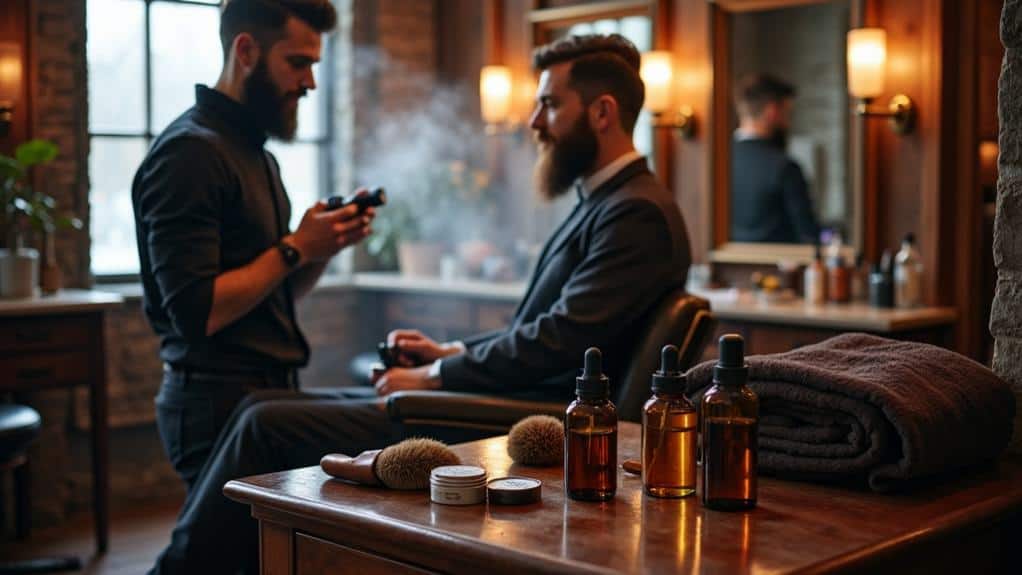
Winter turns your beard into sandpaper. You’ll need different tools than summer grooming. Smart gear prevents the damage before it starts. Quality tools can enhance your grooming experience and lead to better beard health during harsh winter conditions. Indoor heating strips moisture from facial hair, making proper equipment selection even more critical for maintaining beard health. Beard balm provides essential nourishment and protection that your facial hair desperately needs during the coldest months. Cold air dehydrates both skin and beard hair, causing brittleness that requires specialized winter grooming equipment. Colder climates benefit from higher beeswax content for frizz control and protection against harsh environmental conditions.
Essential Winter Grooming Tools
Cold air turns your beard into straw. You need tools that fight back. Winter beard care isn’t rocket science. Just grab the right equipment.
Your beard trimmer needs adjustable settings. Cordless works better than corded. No outlet hunting in dim bathrooms. High-carbon stainless steel blades provide superior sharpness and durability for consistent winter grooming performance. Sharp scissors handle flyaway hairs. Micro-serrated edges grip coarse whiskers without slipping.
Moisturizing matters more than grooming techniques. Beard oil applicators spread argan oil evenly. No greasy fingers. Hydrating beard wash cleans without stripping natural oils. Alcohol-free aftershave balms contain aloe vera for irritation control.
Essential winter tools include:
- Boar bristle brush for detangling and oil distribution
- Weatherproof beard balm for wind protection
- Leave-in conditioner to prevent friction damage
Skip the fancy gadgets. These basics handle winter’s worst. A quality beard conditioner adds an extra layer of protection against harsh winter elements that can leave facial hair brittle and damaged.
Daily Maintenance Routine Equipment
Every morning, your beard needs three things. A quality cleanser. Proper conditioning. Strategic styling.
Start with beard-specific shampoo. Regular shampoo strips natural oils. That’s bad for winter growth. Use noncomedogenic formulas. They won’t clog pores underneath.
Next comes conditioning. Beard oils penetrate coarse facial hair better than lotions. Apply with droppers for even coverage. Follow with beard balm for hold. Mastering perfect beard oil application techniques will maximize absorption and ensure your facial hair gets the full benefit of these essential nutrients.
Your grooming tools matter more than you think. Professional scissors beat drugstore versions. Boar bristle brushes distribute oils properly. Wide-tooth combs prevent breakage and static.
Store everything in a caddy or travel bag. Clean tools weekly with disinfectant spray. Replace trimmer blades monthly. Look for products with organic oils like argan and jojoba to ensure you’re nourishing your beard without harmful synthetic additives.
The whole routine takes five minutes. Skip it and you’ll look scraggly by lunch. Consistency beats expensive products every time.
Daily Routines to Protect Your Beard From Cold Weather
When temperatures drop, your beard becomes a target. Cold air strips moisture faster than you think. Your skin gets flaky. Your beard gets brittle. Time to fight back with proper beard hydration techniques.
Wash less. Two to three times weekly max. Use sulfate-free beard shampoo only. Hot water makes things worse. Stick to lukewarm temperatures.
Apply beard oil daily. Right after showering works best. Jojoba and argan oils penetrate deeper. Follow with beard balm for protection. Think of it as winter armor.
Essential winter grooming essentials include:
- Boar bristle brush – distributes oils evenly throughout beard
- Quality beard balm – creates protective barrier against wind and cold
- Gentle beard shampoo – cleanses without stripping natural oils
A proper beard comb becomes essential for detangling and styling while preventing breakage during harsh winter conditions.
Look for products with natural oils like shea butter and argan oil that provide the deep moisturization your beard craves during winter months.
Exfoliate weekly underneath. Dead skin causes itchiness. Your beard will thank you later.
Dietary and Lifestyle Changes That Boost Facial Hair
Your beard’s destiny gets decided at breakfast. Eggs and salmon fuel keratin production. Your follicles need this protein daily.
Dietary adjustments matter more than genetics. Load up on omega-3s from sardines. Zinc from Brazil nuts boosts testosterone naturally. Citrus fruits reduce hormone-binding proteins. More active testosterone means thicker growth.
Iron-rich spinach prevents patchy spots. Sweet potatoes deliver vitamin A for follicle health. Skip the processed junk. It creates inflammation.
Lifestyle enhancements work alongside nutrition. Seven hours of sleep balances growth hormones. Exercise increases blood flow to your face. Stress management keeps cortisol from sabotaging progress.
Drink more water. Hydrated follicles grow stronger hair. Avocados provide vitamin E for circulation. Lentils supply B-complex vitamins for cellular energy. Saw Palmetto supplements can further support facial hair growth by naturally blocking DHT production.
Your beard reflects what you eat. Feed it properly. Just like your facial hair follicles, your skin benefits from consistent care with ingredients like hyaluronic acid that provide intense hydration and support healthy cellular function.
Science-Backed Facts About Beard Growth Supplements
While supplements won’t grow hair where none exists, they can boost what you’ve got. Beard growth supplements work by fixing nutrient gaps. Not creating miracles.
Most contain biotin, zinc, and B vitamins. These support keratin production. That’s what makes hair strong. Supplement efficacy depends on your starting point. Already eating well? Limited benefits. Nutrient deficient? Real improvements possible.
Timeline matters. Expect 2-6 months for noticeable changes. Biotin shows results around 3-6 months. But only if you’re deficient.
Key facts about beard growth supplements:
- They optimize existing follicles, don’t create new ones
- Work best for people with nutritional deficiencies
- Results typically visible after 3-6 months of consistent use
Genetics still rule. Supplements can’t override your DNA. They’re helpers, not game-changers.
Proper nutrition supports your hair follicles, but topical men’s hair oil can also nourish the hair shaft directly for improved texture and manageability.
Professional trimmers with self-sharpening blades and multiple length settings ensure you can maintain your growing beard with precision as it develops through different growth phases.
Building a Consistent Winter Beard Care System
Cold air turns your beard into straw. Winter destroys facial hair faster than summer heat.
Your beard care system needs three daily moves. Morning: apply beard oil before leaving home. Evening: use beard balm after your shower. That’s it.
Wash only twice weekly with sulfate-free shampoo. Hot water strips natural oils. Lukewarm works better.
These moisturizing techniques actually matter. Argan oil penetrates deepest. Jojoba mimics your skin’s natural sebum. Beard balm creates a protective barrier against wind.
Use a wide-tooth comb after applying products. Distributes oils evenly. Prevents tangles.
A quality beard brush helps distribute natural oils from your skin throughout your facial hair, especially during winter when circulation slows.
Run a humidifier indoors. Heating systems suck moisture from everything. Including your beard.
Skip the ten-step routines online. They’re marketing nonsense. Oil, balm, gentle washing. Done.
Frequently Asked Questions
Can I Use Regular Hair Vitamins for Beard Growth Instead?
Yes, you can use regular hair vitamins for beard growth since they contain similar nutrients. However, beard-specific formulas may offer better vitamin absorption. Pair with beard oil benefits for ideal results and improved facial hair health.
How Long Before I See Results From Beard Growth Supplements?
Like planting seeds in winter soil, you’ll see initial beard growth timeline improvements in 2-3 months with stronger hairs, but supplement effectiveness peaks around 6 months for noticeable thickness and density changes.
Are There Any Side Effects From Taking Beard Growth Vitamins?
Yes, beard growth vitamins can cause side effects including stomach upset, nausea, acne breakouts, and allergic reactions. Vitamin safety concerns include lab test interference and drug interactions, so you should consult your doctor first.
Should I Stop Using Beard Products if I’m Taking Supplements?
No, you shouldn’t stop using beard products when taking supplements. There’s no beard product interaction that reduces supplement effectiveness. They work complementarily—supplements support internal growth while topical products provide external conditioning and styling benefits.
Can Genetics Override the Benefits of Vitamins and Proper Care?
Yes, genetic factors ultimately determine your maximum beard density and growth potential. While vitamins and proper care can optimize what you’re genetically capable of, they can’t override your fundamental genetic limitations for facial hair growth.
References
- https://johnnie-ray.com/products/luxe-beard-growth-essential-supplements
- https://driphydration.com/blog/8-vitamins-for-beard-growth/
- https://thebeardclub.com/blogs/beard-culture/which-essential-vitamins-help-your-beard-grow
- https://thebeardclub.com/products/beard-growth-vitamins
- https://www.healthline.com/nutrition/biotin-for-beard
- https://kopelmanhair.com/blog/best-vitamins-for-beard-growth/
- https://cphgrooming.com/en-us/blogs/the-journey/do-beard-growth-supplements-work-a-scientific-perspective
- https://www.hims.com/blog/biotin-help-beard-growth
- https://pmc.ncbi.nlm.nih.gov/articles/PMC5315033/
- https://madvikingbeard.com/blogs/the-viking-blog/what-foods-help-hair-growth