
Men’s Beard Growth Kickstart: Vitamins and Tools for Winter
Men’s Beard Growth Kickstart: Vitamins and Tools for Winter
To kickstart your beard growth this winter, you'll need a strategic mix of vitamins and proper maintenance tools. Start with a daily biotin supplement (10,000 MG) and incorporate vitamins A, B5, C, D, and E through a balanced diet or supplements. Invest in essential tools like a quality electric trimmer, boar's hair brush, and beard oil containing jojoba or argan oil. Combat winter dryness by washing your beard with lukewarm water 2-3 times weekly, using sulfate-free products, and maintaining proper hydration with eight glasses of water daily. These fundamentals establish the groundwork for understanding complete beard care mastery.
Essential Vitamins For Beard Health

Your beard's health relies heavily on proper vitamin intake. To enhance your facial hair growth, you'll need to focus on specific beard vitamins that play essential roles in follicle development and hair health. Vitamins A, B5, D, and E work together to create the perfect environment for beard growth, with each serving distinct functions in the process. High stress levels can interfere with proper nutrient absorption and utilization for beard growth. A diverse diet supports optimal beard growth and maintenance. Organic oils and butters are excellent natural supplements to your vitamin regimen.
Understanding how these vitamins benefit your beard can help you make informed dietary choices. Vitamin A regulates sebum production, keeping your beard moisturized, while vitamin B5 strengthens follicles and prevents hair loss. You'll find vitamin D particularly significant as it stimulates follicles for improved thickness, and vitamin E produces essential oils that maintain adequate moisturization. Vitamin C intake can significantly improve blood circulation to your facial hair follicles. Most users see peak results within 60 days of consistent vitamin supplementation. Don't overlook biotin, also known as vitamin B7, which is fundamental for keratin production and overall hair strength. For optimal absorption and effectiveness, experts recommend taking 5,000 to 25,000 mcg of biotin daily.
To guarantee you're getting these nutrients, incorporate foods like sweet potatoes, chicken breast, fatty fish, and leafy greens into your diet. If you're struggling to meet your nutritional needs through food alone, consider a daily multivitamin specifically formulated for hair health. Remember to pair these vitamins with adequate sleep and exercise for best results.
Winter Beard Growth Supplements
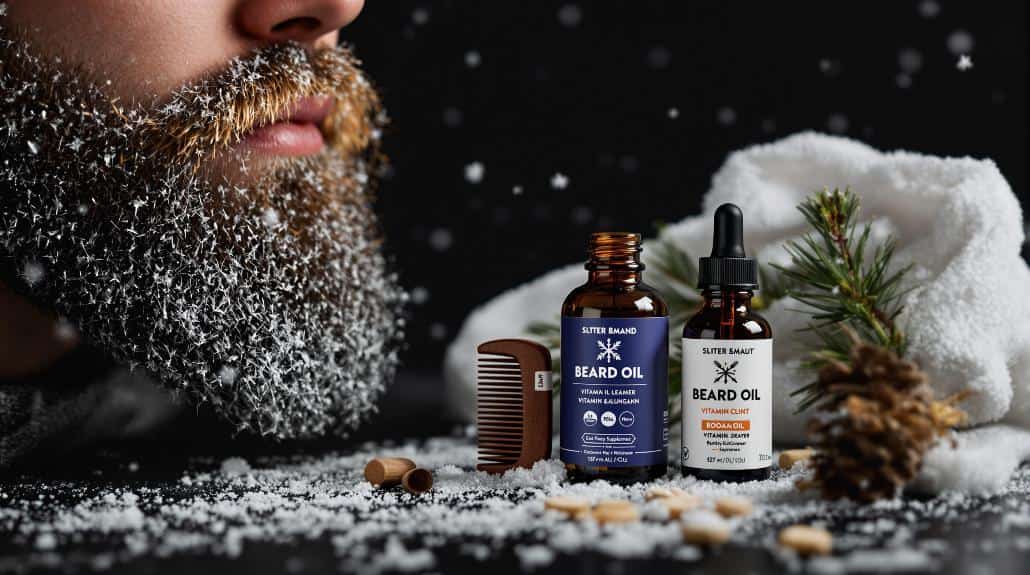
Maintaining ideal beard growth during winter months requires strategic supplementation to combat seasonal challenges. When you combine quality beard oil with specialized growth supplements, you're creating an advantageous environment for robust facial hair development. Key supplements like biotin, vitamin C, and zinc work synergistically with growth serums to enhance your beard's thickness and health. Our recommended supplements contain vitamins A and C to promote cell growth and protect hair follicles. Regular application of products containing OptiMSM helps strengthen keratin and create a healthier environment for beard growth. Studies show that maintaining a 10,000 MG dose of biotin daily can significantly boost facial hair growth potential. Using a derma roller technique can improve nutrient absorption and stimulate dormant hair follicles. A comprehensive beard growth kit provides all essential tools and supplements in one convenient package. Natural oils like jojoba and argan are essential components that promote growth while alleviating common winter dryness.
For maximum effectiveness, incorporate these essential supplement types into your daily routine:
- Biotin-based capsules to strengthen hair follicles
- Vitamin D supplements to regulate growth cycles
- Zinc-rich formulations to prevent hair loss
- Saw palmetto supplements to block DHT production
You'll want to take your supplements consistently, typically two capsules daily, while maintaining proper nutrition and hydration. Products like Johnnie Ray Luxe Beard Growth and Beard Boost combine scientifically-proven ingredients that complement your existing beard care routine. When selecting supplements, prioritize those containing natural ingredients to minimize potential side effects. Remember, results aren't instant – you'll need to maintain this regimen for several weeks to see noticeable improvements in your beard's thickness and growth rate.
Beard Care Tools
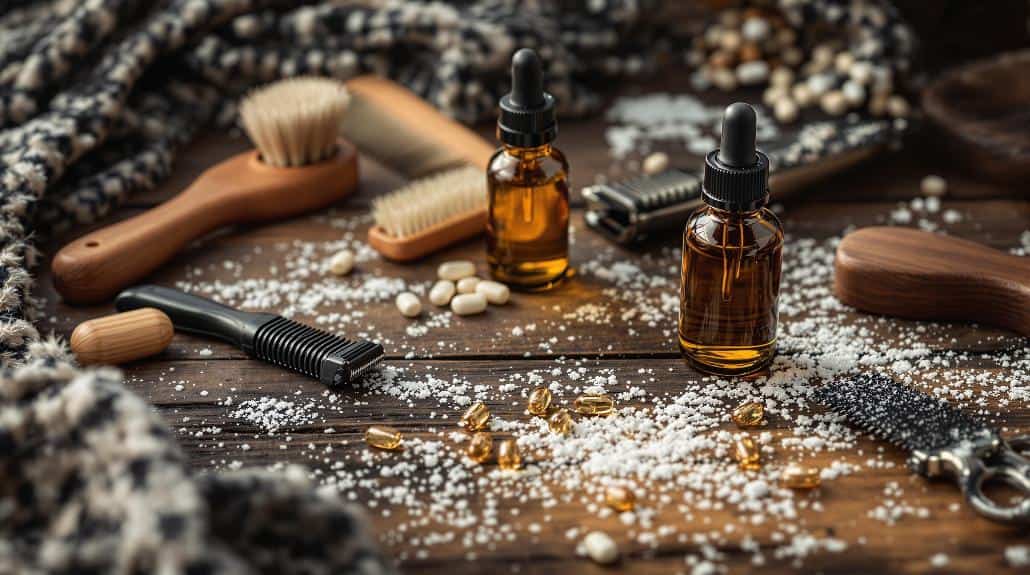
A well-stocked grooming arsenal forms the foundation of proper beard maintenance. Your essential tools should include an electric trimmer for basic beard grooming techniques, a boar's hair brush to distribute natural oils, and precision scissors for detailed work. Consider waiting until you have at least one month of beard growth before using a boar's hair brush. When implementing beard styling tips, you'll want to incorporate both a round brush and a standard beard comb for achieving clean lines and proper shaping. Quality grooming kits often achieve high customer satisfaction with thousands of positive reviews from beard enthusiasts.
For ideal beard health, you'll need several hydration products in your toolkit. Start with beard oil to moisturize both hair and skin, then layer with either beard butter or balm for styling control. A quality kit typically provides risk-free satisfaction with a 90-day guarantee for peace of mind. The combination of natural ingredients like shea butter and jojoba oil helps prevent itchiness and flaking while nourishing facial hair. Consistent use of these products helps achieve better beard texture for enhanced grooming results. You should also maintain a proper cleansing routine using specialized beard shampoo 2-3 times weekly, supplemented with a beard softener for manageability. Apply 3-4 drops of beard oil to damp facial hair for optimal absorption and distribution.
Don't overlook the importance of skin care beneath your facial hair. Use a combination of moisturizer and exfoliator to prevent irritation and beardruff, while a derma roller can stimulate growth in patchy areas. While advanced tools like heated straightening brushes and beard shapers aren't essential for beginners, they're worth considering as your grooming expertise develops.
Dietary Changes That Work

While proper grooming tools set the stage for a great beard, nutrition plays an equally important role in facial hair development. Your dietary habits directly influence hormone levels and hair growth cycles, making nutrient timing and selection vital for ideal results. Taking hair growth vitamins can significantly improve your beard's thickness and health. Hair follicles require constant nourishment for optimal growth. Sweet potatoes can give your beard a boost since they are rich in vitamin A, which helps produce sebum that moisturizes follicles. Using beard-specific shampoo can help maintain follicle health while supporting natural oil production. Regular supplementation with DHEA 25mg can support hormone balance and enhance facial hair growth in men over 40.
Start by incorporating these essential nutrients into your daily meals:
- Biotin-rich foods like eggs and avocados for stronger hair strands
- Omega-3 sources such as salmon and flaxseeds for enhanced density
- Protein-packed options including lean meats and legumes
- Zinc-containing foods like beef and spinach for tissue repair
You'll want to maintain consistent meal schedules while increasing your water intake to at least eight glasses daily. Focus on reducing salt consumption and balancing your omega fatty acids intake. If you're not getting enough sunlight, consider adding a vitamin D supplement to support testosterone production. Red meat consumption, particularly at lunch, can boost testosterone levels when your body's most responsive to nutrient uptake. Brazil nuts are an excellent addition to your diet as they provide 988% of daily selenium in just one serving. Include leafy greens with every meal to guarantee steady vitamin A levels, which repair skin tissue and promote healthier follicle development. Remember that dietary changes typically show results within 8-12 weeks of consistent implementation.
Cold Weather Protection Tips

Cold weather wreaks havoc on your beard, drying out both the hair and skin underneath. To maintain healthy winter grooming habits, you'll need to adjust your routine by washing with lukewarm water and reducing shampoo frequency to 2-3 times weekly. When you're done washing, pat your beard dry gently to prevent tangles and damage. Regular brushing helps stimulate blood flow to promote healthier beard growth. Starting your beard growth in early fall months allows sufficient time to develop fullness before winter arrives. The 5mm beard style tends to be the most attractive and manageable option for beginners.
Your beard styling strategy should focus on protection and moisture retention during cold months. Apply beard oil or balm daily, focusing on products containing argan oil, jojoba oil, or vitamin E for ideal hydration. Using pump dispensers makes application more precise and less messy for daily maintenance. You'll want to create a protective barrier against harsh weather by using a leave-in conditioner or balm, and don't forget to shield your beard from snow and rain with a scarf. For optimal nourishment, consider incorporating castor oil products which are known to enhance hair thickness and stimulate follicles.
Consider installing a humidifier in your home to combat dry indoor heating, which can severely impact beard health. Stick to sulfate-free beard wash products, and maintain regular trims to prevent split ends. Combine different products like oils, balms, and butter pomades to achieve balanced hydration, ensuring your beard stays healthy and manageable throughout the winter season.