
DIY Exfoliation Techniques to Prep for Spring
DIY Exfoliation Techniques to Prep for Spring
Spring’s warmer temps mean it’s time to refresh your skincare routine with gentle DIY exfoliation. You can create effective scrubs using kitchen staples like sugar or coffee grounds mixed with coconut oil in a 2:1 ratio. Apply your homemade scrub 1-2 times weekly, focusing on circular motions and following with a moisturizer. For sensitive skin, try rice powder or a konjac sponge. Discover how these natural techniques can transform your spring skincare game.
Main Points
- Mix honey and brown sugar in a 1:2 ratio for a gentle homemade scrub that removes dead skin cells and hydrates simultaneously.
- Create a brightening exfoliant by combining ground oatmeal, yogurt, and lemon juice for a natural enzymatic treatment.
- Blend coffee grounds with coconut oil for an invigorating scrub that reduces puffiness and promotes circulation.
- Use rice powder mixed with green tea for a gentle, antioxidant-rich exfoliant suitable for sensitive spring skin.
- Apply DIY scrubs once or twice weekly, following immediately with moisturizer and SPF 30+ for optimal protection.
Why Spring Calls for Fresh Skin Care Routines
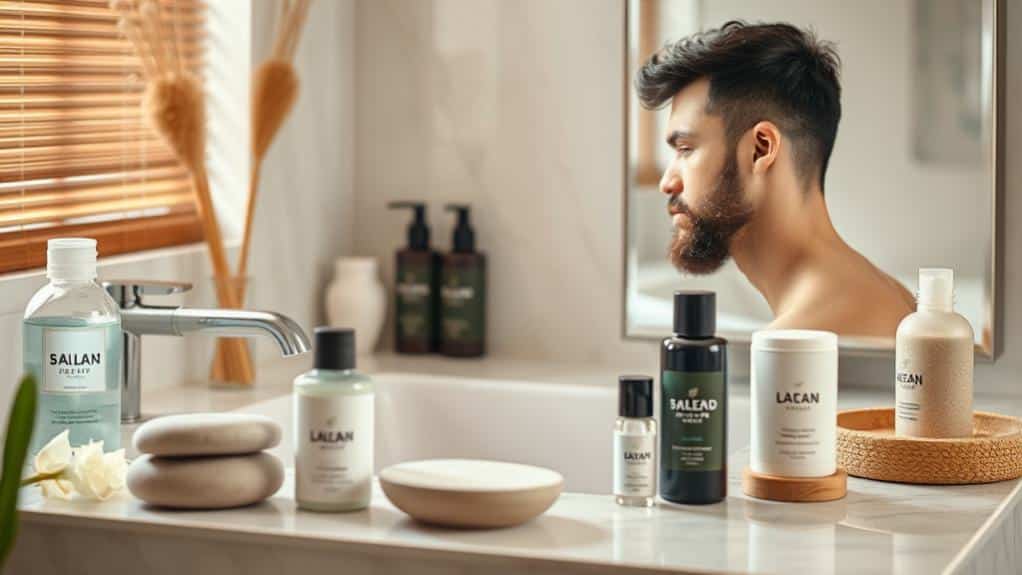
As winter’s harsh grip finally loosens, your skin faces new challenges that demand a strategic alteration in care.
The spring skin shift brings warmer temperatures, increased humidity, and heightened UV exposure that alter your skin’s natural balance. After months of indoor heating and cold weather damage, your complexion needs targeted attention to repair and rejuvenate. Slower cell turnover during winter months means extra attention to exfoliation is essential. Warmer weather triggers an increase in sebum production, which requires adjusting your skincare approach.
Your skincare transition should address the buildup of dead cells and winter-induced dehydration while preparing for increased outdoor activities. Using retinol-based products can significantly improve skin texture during this seasonal transition. Most dermatologists recommend starting anti-aging routines with daily moisturizer use by your mid-20s for optimal results. Natural and organic ingredients like hyaluronic acid can provide deep hydration without irritation. Experts recommend switching to gentle gel cleansers for a deeper yet gentler clean during spring months. Products containing peptides and glycerin can help restore skin’s elasticity during seasonal changes. Incorporating broad spectrum protection is crucial as UV exposure increases during spring months.
You’ll need to combat the effects of sweating, environmental pollutants, and seasonal allergies that can affect your skin’s health. Airborne substances like pollen can trigger skin irritation and sensitivity during this season. The change in seasons also means your skin’s oil production will adjust, potentially leading to breakouts or sensitivity.
It’s time to swap heavy winter products for lighter formulations that protect and nourish without overwhelming your skin.
Understanding the Science Behind Exfoliation
To maintain healthy spring skin, you’ll need to understand how exfoliation works at a cellular level. Your skin naturally renews itself every 28-30 days, with new cells forming in the deepest layer and moving upward. As you age, this process slows down, causing dead cells to accumulate on your skin’s surface. Sun exposure and stress can further slow this natural cell turnover process.
That’s where exfoliation steps in. Whether you choose physical scrubs, chemical solutions, or enzyme-based products, the goal remains the same: removing dead skin cells while protecting your skin barrier. Regular exfoliation helps create a smoother skin texture by manually removing surface debris. Using gentle treatment techniques is essential to avoid damaging your skin’s protective layers. For optimal results, applying products in light to heavy order ensures maximum absorption and effectiveness.
The exfoliation benefits are significant – you’ll unclog pores, boost collagen production, and enhance product absorption. Your skin’s texture improves as exfoliants work through different mechanisms, either by physically removing cells, dissolving cellular bonds, or breaking down proteins. Adding hyaluronic acid to your post-exfoliation routine can provide intense hydration and help maintain skin moisture balance.
Natural Kitchen Ingredients for DIY Scrubs

The beauty of DIY exfoliation lies right in your kitchen cabinets. You’ll find effective natural scrubs using common ingredients that are both gentle and effective for your skin. Kitchen exfoliants like sugar, salt, and coffee grounds provide perfect texture for removing dead skin cells. Combining these ingredients with natural antibacterial agents like honey creates powerful yet gentle treatments. Regular exfoliation helps enhance product absorption and improve overall skin health. Since dry skin tends to be more noticeable during winter months, low humidity conditions make regular exfoliation particularly important. Essential oils and charcoal can be incorporated for deeper cleansing benefits. For optimal results, experts recommend using twice weekly to maintain healthy, glowing skin. Always perform a patch test before applying new DIY scrubs to ensure skin compatibility. Applying a certified organic oil after exfoliation can help seal in moisture and provide additional nourishment to freshly revealed skin. A specialized men’s body scrub can effectively target rougher skin texture commonly found on male bodies. Incorporating salicylic acid into your exfoliation routine can help unclog pores and prevent acne breakouts.
Mix these base exfoliants with natural oils like coconut or jojoba for moisture, and enhance them with honey or yogurt for added benefits. You can also boost your natural scrubs with herbs like lavender for calming or turmeric for brightening effects.
Step-by-Step Guide to Making Homemade Exfoliators
Creating effective homemade exfoliators involves five essential steps that guarantee perfect results for your skin.
To get started, gather your supplies: a clean mixing bowl, storage container, base ingredient, and carrier oil. Using spoons for measuring ensures precise ingredient ratios for optimal results. You’ll want to maintain a 2:1 ratio of base to oil when mixing your homemade scrubs for best consistency. Coconut oil and sugar are the two main ingredients you’ll need for a basic scrub.
Before applying your scrub, cleanse your skin thoroughly. Apply the mixture using gentle circular motions, paying extra attention to rough areas to maximize exfoliation benefits. Massage for twice a week frequency for optimal skin health.
After rinsing with lukewarm water, pat your skin dry and apply moisturizer immediately.
Don’t forget proper storage – keep your scrub in a cool, dry place and use it within two months.
Always label your container with ingredients and the date you made it to maintain freshness.
Body Brushing: Your Pre-Shower Spring Ritual
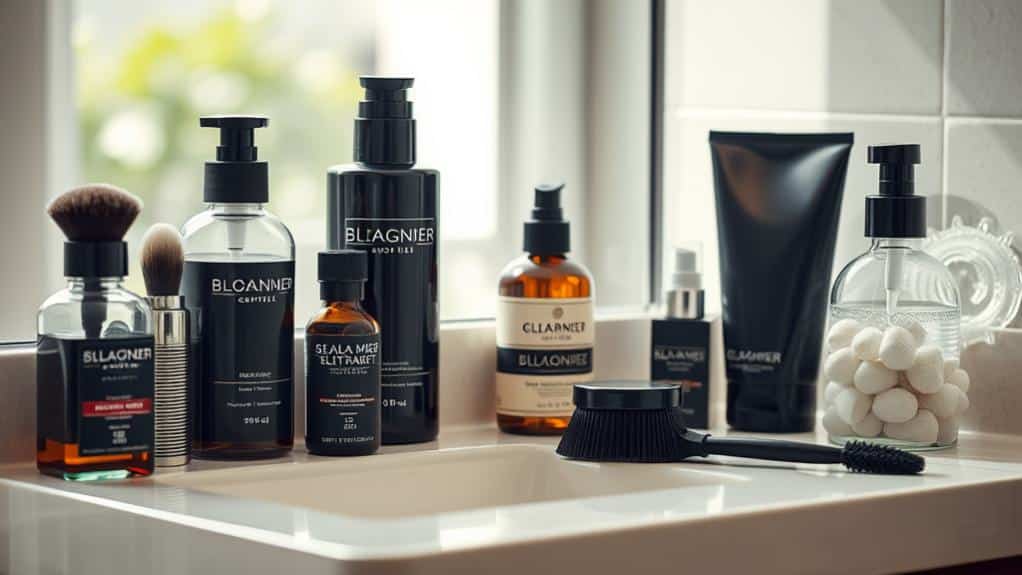
Spring awakens your skin’s natural renewal process, making it the perfect time to incorporate body brushing into your pre-shower routine. This gentle yet effective exfoliation technique offers multiple benefits beyond just removing dead skin cells – it’ll boost your circulation, enhance lymphatic drainage, and improve skin elasticity. Take time to reflect and practice mindful self-care rituals during your brushing session. Body brushing helps combat winter dullness and revitalizes tired skin. This ancient practice has been used since Egyptian times for skin rejuvenation. Using cactus bristles in your brush provides optimal daily exfoliation benefits. Your skin, containing 19 yards of vessels per square inch, deserves this thorough care.
Every modern man should consider adding a quality body brush to their grooming essentials. To maximize body brushing benefits, use a natural bristle brush with long, sweeping motions, always working toward your heart. Start at your feet and move upward, using circular strokes on joints and your stomach. Like natural skincare products, this technique is gentle yet effective for maintaining healthy skin. Similar to the Sebamed pH 5.5 formula, body brushing supports your skin’s natural protective barrier. For sensitive skin types, pair your body brushing routine with plant-based cleansers to prevent irritation. For those with particularly sensitive skin, starting with just once weekly exfoliation is recommended to gauge your skin’s reaction.
Spend 2-5 minutes on your entire body, 2-3 times weekly. You’ll get the best results by brushing on dry skin before your morning shower. After brushing, rinse off and apply moisturizer to damp skin.
Don’t forget to clean your brush regularly and replace it every 6-12 months.
Gentle Face Exfoliation Methods for Sensitive Skin
When caring for sensitive skin, gentle facial exfoliation requires a delicate balance between effective renewal and minimal irritation. For the best sensitive skin care results, opt for ultra-gentle methods that won’t trigger redness or inflammation. Chemical exfoliants are particularly effective since they provide barrier-protecting ceramides while gently removing dead skin cells. Experts recommend starting with once weekly exfoliation to assess your skin’s tolerance level.
Maintaining proper technique is essential, as using gentle circular motions helps achieve optimal exfoliation results without irritation. Bamboo-based products provide a safe option since they offer natural mild exfoliation while being gentle on reactive skin. Allow oil to sit on your skin for at least one hour before wiping to effectively loosen dead skin cells. Adding hyaluronic acid to your post-exfoliation routine can help maintain optimal skin hydration levels. Products containing retinol ingredients can enhance cell turnover when incorporated into your nighttime routine.
- Try chemical exfoliants like PHAs or low-concentration AHAs (5-10%), which offer gentle exfoliation benefits while maintaining hydration.
- Use natural options like konjac sponges or rice powder, which provide mild physical exfoliation without harsh scrubbing.
- Consider the oil cleansing method with jojoba or grapeseed oil, combined with a warm microfiber cloth for the gentlest dead skin removal.
Always follow up with a fragrance-free moisturizer and SPF 30+ sunscreen to protect your newly exposed skin.
Remember to limit exfoliation to once or twice weekly, carefully monitoring your skin’s response.
Post-Exfoliation Skin Care Essentials
After completing your exfoliation routine, proper aftercare determines the long-term health and appearance of your skin. Your moisturizer application should happen immediately, using products rich in hyaluronic acid and glycerin. Sunscreen importance can’t be overstated – always apply SPF 30 or higher to protect your freshly exposed skin cells. Using face oils like jojoba can help restore your skin’s natural protective barrier. Post-peel tingling is normal during the first few hours. Consider using cream style cleansers during winter months for extra nourishment. Allow your skin to naturally shed dead cells as natural peeling is essential for optimal results. Many men’s moisturizers now include built-in SPF protection to simplify your daily skincare routine. Gel-based formulas work especially well for oily or combination skin types. Selecting non-comedogenic products is crucial to prevent clogged pores and breakouts. Using beard-specific cleansers can help maintain skin health if you’re also managing facial hair. For maximum hydration benefits, apply moisturizer to damp skin immediately after cleansing.
| Essential Step | Timing | Key Products |
|---|---|---|
| Gentle Cleanse | Immediately | Non-foaming cleanser |
| Moisturize | Right after cleansing | Hyaluronic acid creams |
| Sun Protection | Daily, every 2 hours | Physical sunscreen |
| Soothing Care | 24-48 hours | Aloe vera, chamomile |
| Recovery | 3-4 days | Peptides, antioxidants |
Keep your routine simple for the next 48 hours. Skip makeup, avoid hot showers, and use cool compresses if you experience any redness or irritation. Your skin needs time to rebuild its protective barrier.
Seasonal Tips for Safe and Effective Exfoliation
Throughout the changing seasons, your exfoliation routine requires thoughtful adjustments to maintain healthy, glowing skin. One of the biggest exfoliation myths is that you should maintain the same routine year-round.
Spring’s increased humidity levels make it an ideal time to incorporate exfoliating treatments into your skincare routine, as skin becomes more receptive to these products. Creating your own DIY body scrubs allows complete control over ingredients while saving money on expensive store-bought products.
As seasonal changes occur, your skin’s needs shift dramatically, especially during spring when sebum production naturally increases. Maintaining a balanced approach helps prevent disrupting your skin’s natural oil production.
To adapt your routine for warmer weather, follow these essential guidelines:
- Reduce winter exfoliation frequency from 2-3 times weekly to 1-2 times in spring
- Switch to gentler chemical exfoliants like AHAs or enzymes instead of harsh scrubs
- Always apply broad-spectrum SPF 30+ after exfoliating, as your skin becomes more sun-sensitive
Weekly Schedule for Spring Skin Rejuvenation
Building on the seasonal exfoliation guidelines, a structured weekly schedule helps maximize your skin’s rejuvenation during spring.
Begin your five-week journey with gentle cleansing and basic exfoliation, gradually introducing chemical exfoliants in week two. Consider incorporating naturally-derived acids like glycolic and salicylic for optimal results. A consistent skincare routine including professional treatments can enhance your at-home efforts. The addition of niacinamide-based products can help improve skin elasticity while reducing redness.
Your spring skin will benefit from targeted treatments in week three, including vitamin C and careful retinol application. Daily use of broad-spectrum sunscreen is essential to protect your newly exfoliated skin. Adding protein peptides can help stimulate collagen production for improved skin resilience. For enhanced moisture retention, apply products on damp facial skin immediately after cleansing. Starting in your mid-twenties is ideal for establishing an effective anti-aging skincare routine. Using L-ascorbic acid serums can provide the most potent form of vitamin C for skin brightening.
Week four focuses on intensive hydration through serums and masks, while week five helps you maintain your rejuvenation benefits through customized adjustments.
You’ll notice significant improvements as you progress through each phase, starting with mild products and building up to more intensive treatments.
Remember to monitor your skin’s response and adjust the frequency of products accordingly, especially as spring temperatures rise and sun exposure increases.
References
- https://us.purefiji.com/blogs/news/top-9-natural-exfoliators-for-your-face-and-body-includes-diy-recipes
- https://shoparchipelago.com/blogs/blog/benefits-of-exfoliating
- https://cacm.acm.org/research/blogging-birds/
- https://livesimply.me/how-to-make-a-simple-two-ingredient-exfoliator-scrub/
- https://www.eccotique.com/blogs/news/why-is-exfoliation-so-important-for-your-skin
- https://sparktoro.com/blog/new-topics-interests-and-content-ideas-now-live-in-sparktoro-v2/
- https://www.healthline.com/health/skin/diy-body-scrub
- https://consciouschemist.com/blogs/good-skin-blog/what-is-skin-exfoliation-its-benefits-skin-care-routine-at-home
- https://www.orbitmedia.com/blog/blogging-statistics/
- https://www.alive.com/beauty/exfoliate-for-spring/
- https://olehenriksen.com/blogs/ole-glow-edit/create-your-spring-skincar-e-routine
- https://jaxbeachderm.com/2024/04/10/5-most-common-causes-of-spring-skin-irritation/
- https://slmdskincare.com/blogs/learn/why-you-need-to-exfoliate-in-spring
- https://www.drbresnick.com/how-to-transition-your-skincare-routine-from-winter-to-spring/
- https://www.apexskin.com/2024/03/15/spring-skincare-tips-fresh-trends-in-dermatology/
- https://skinbase.co.uk/blog/why-spring-exfoliation-is-important/
- https://slmdskincare.com/blogs/learn/transition-skincare-routine-from-winter-to-spring
- https://cambridgelaserclinic.com/how-your-skin-changes-with-the-seasons/
- https://www.holisticfoodie.com/blog-posts/spring-skincare-routine
- https://www.isdin.com/us/blog/skincare/routines/spring-skincare-routine/